
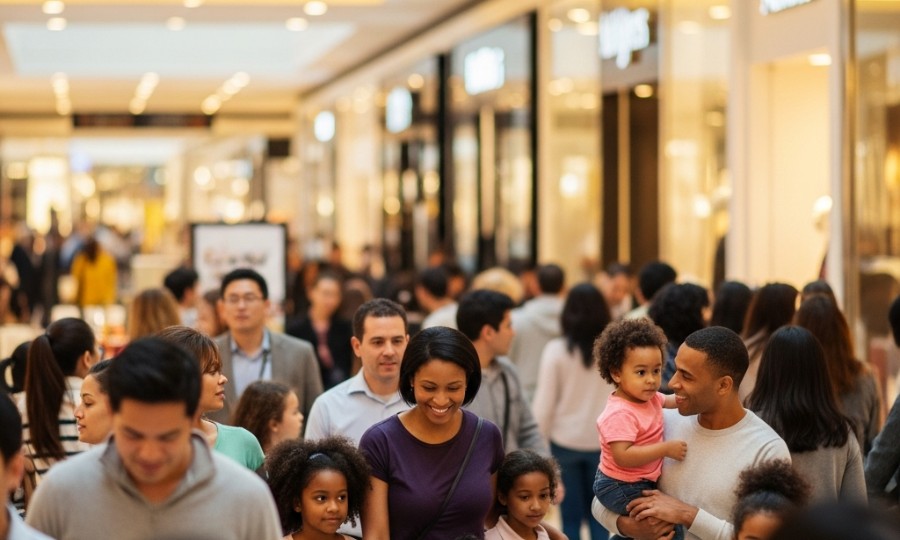
There’s a certain undeniable energy about shopping in the Bronx, isn’t there? From the bustling markets around The Hub to the diverse boutiques lining Fordham Road, these centers are more than just places to shop; they’re vibrant community hubs. You’re out there, maybe hunting for a unique find, grabbing groceries, or simply enjoying a meal with loved ones. It’s a fantastic way to soak in the borough’s dynamic spirit, a truly quintessential New York experience. But here’s the thing: where there’s bustling energy and lively crowds, there can also be opportunistic individuals looking to take advantage. We aren’t trying to scare you, but rather empower you with knowledge. Do you ever wonder if your wallet, phone, or new purchases are truly safe amidst all that hustle and bustle? It’s a completely valid concern, and one we hear often from folks just like you.
The truth is, increased foot traffic, while wonderful for local businesses and community interaction, can unfortunately create prime conditions for petty theft, pickpocketing, and other property crimes. Nobody wants their enjoyable day ruined by the stress of losing something valuable, especially not when you’re just trying to go about your business. We deeply understand that feeling of frustration, even vulnerability, that can come with such an experience. And that’s precisely why we’ve put together these practical, actionable security tips. Our goal isn’t to make you paranoid or hesitant to enjoy your borough; it’s to equip you with smart, easy-to-adopt strategies to protect your personal belongings and maintain your peace of mind while navigating those busy Bronx shopping centers. Because you absolutely deserve to shop confidently, without constantly worrying about your essentials.
Smart Strategies for Carrying Your Valuables
Let’s talk about the absolute basics first, because they truly are the bedrock of good personal security. Your bag and wallet are often the primary targets, so how you carry them makes a world of difference. For starters, consider investing in a cross-body bag with a sturdy, ideally slash-resistant, strap. It’s significantly harder for someone to snatch off your shoulder than a regular tote or a flimsy backpack. When you’re immersed in a crowded area, always keep that bag in front of you, not slung behind your back or to the side where it’s out of your direct line of sight. Think of it as an extension of your body, always within your immediate awareness and grasp. Zippers and flaps should always be securely fastened – it sounds obvious, but you’d be surprised how often a quick grab happens from an open bag.
And what about your wallet? We’ve all been there: pulling out a thick stack of cash or a handful of cards at the register, haven’t we? It’s usually best to avoid overtly displaying large amounts of money or your entire card collection. Carry only what you anticipate needing for your outing, and always keep your wallet in a front pocket, not a back one. A zipped front pocket, or even an inner jacket pocket, is even better. In my experience, a simple shift from a vulnerable back pocket to a secure front one has made all the difference in preventing countless pickpocketing attempts. It seems like such a small change, but these adjustments are incredibly effective. For instance, imagine you’re navigating the bustling corridors of the 161st Street-Yankee Stadium subway station, just finished shopping near Grand Concourse. Having your wallet secured in a front, zipped pocket means you’re far less susceptible to the ‘bump and grab’ technique often employed in such crowded transit points. It’s about making yourself a less appealing target.
Cultivating Keen Situational Awareness
This might just be the most crucial tip of all: pay active attention to your surroundings. It sounds incredibly obvious, right? But honestly, how often are we truly present? We’re often glued to our phones, absorbed in podcasts, or deep in conversation with companions. While these are perfectly normal activities, in a busy shopping center, they can inadvertently make you an easier target. Make a conscious effort to observe who’s around you, who might be following a little too closely, or who seems to be loitering without a clear purpose. Briefly make eye contact with people – it subtly signals that you’re aware and not just walking around in a daze.
For example, if you’re waiting in line at a popular store in Bay Plaza, don’t just fixate on the checkout conveyor belt. Take a moment to glance around. Notice if someone seems overly interested in your bag, your phone, or the way you’re interacting with your belongings. This isn’t about fostering paranoia; it’s about being observant and proactive. If something feels off, truly trust your gut feeling. Maybe you decide to subtly shift your position, or perhaps you instinctively clutch your bag a little tighter. These instincts are powerful, inherent tools for your personal safety, and we shouldn’t dismiss them. You wouldn’t ignore a flickering traffic light or a strange smell, would you? Treat suspicious behavior with similar caution and responsiveness. Your awareness is your first and best line of defense.
Leveraging Technology for Enhanced Protection
In our increasingly connected world, technology can be both a blessing and, if misused, a slight curse when it comes to personal security. While our devices can sometimes distract us, they also offer some fantastic tools for protecting our belongings. Have you ever considered using a phone tether or a simple wrist strap? It’s a small, inexpensive accessory that can prevent a quick grab-and-run, especially when you’re taking photos, checking maps, or making a call in a crowded spot like Arthur Avenue during a festival or street fair. You’ll often see tourists using them, and frankly, it’s a smart habit for anyone navigating a high-traffic urban environment like the Bronx. It’s a small investment for significant peace of mind.
Another often-overlooked area is digital security. While not directly about preventing pickpocketing, protecting your phone’s data is absolutely paramount if it does get stolen. Make sure your phone has a strong passcode or biometric lock enabled. Crucially, enable “Find My iPhone” or “Find My Device” features and, more importantly, know how to use them. In my experience, having these features set up before you need them can significantly increase your chances of recovery or at least allow you to wipe your sensitive data remotely. For your credit cards, many banks offer digital wallet options (like Apple Pay or Google Pay) that don’t transmit your actual card number during transactions, adding an extra layer of protection against skimming or unauthorized use. It’s all about creating layers of defense, isn’t it?
Mindful Planning and Exit Strategies
Sometimes, the very best defense is simply not having as much to protect in the first place. Before you head out to a busy shopping area – whether it’s the large complexes along the Cross Bronx Expressway or a lively local street market – take a moment to ask yourself: do I really need to bring every single credit card, my social security card, or that expensive piece of jewelry? The less you carry, the less you stand to lose, and the less stress you’ll endure if something unexpected happens. Make it a habit to leave non-essential items at home in a secure place. This straightforward habit can drastically reduce the impact if, by chance, you do become a target.
Also, planning your route and being especially mindful of your surroundings, particularly when entering or exiting a shopping center, can make a significant difference. Try not to openly count cash or conspicuously display valuable purchases immediately after leaving a store. If you’re heading to your car, have your keys ready before you get there, avoiding fumbling in your bag in a potentially vulnerable spot. If you’re taking public transit, keep a close eye on your bags and maintain awareness of your surroundings until you’ve safely reached your destination. These aren’t just tips for the Bronx; they’re universal best practices for safe urban living. We want you to feel confident and secure, not anxious or worried. By adopting these straightforward practices, you’re not just protecting your belongings; you’re actively investing in your peace of mind and ensuring your shopping trips remain enjoyable, hassle-free experiences.
Remember, prevention is always easier and less stressful than recovery. Stay vigilant, stay smart, and go enjoy everything the vibrant Bronx shopping scene has to offer – securely!
Free Consultation
We want to hear about your case! Fill in the form to speak to a Bronx personal injury attorney now!
Follow us for legal tips and case results:
