
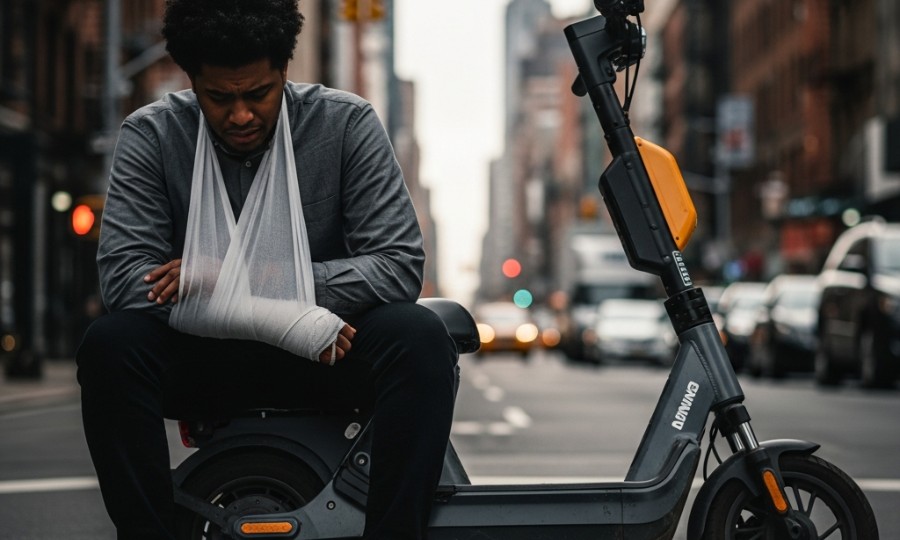
Have you noticed more electric scooters and e-bikes zipping through the streets and sidewalks of New York City lately? You’re not alone. These micro-mobility devices offer incredible convenience, especially in bustling boroughs like the Bronx, but their surging popularity also brings a concerning rise in accidents. The numbers don’t lie: New York City has seen a significant uptick in e-scooter and e-bike related injuries, creating complex legal challenges for both riders and pedestrians.
It’s an evolving landscape, isn’t it? What happens when a quick commute turns into a serious collision? The truth is, navigating the aftermath of an e-scooter or e-bike accident can feel incredibly overwhelming. From determining fault to understanding your rights, the legal process is often far from straightforward. We’re here to help you make sense of it all.
Navigating NYC’s Evolving Micro-Mobility Laws
Here’s the thing: while e-scooters and e-bikes offer a fantastic way to get around, the laws governing them have been playing catch-up. New York State officially legalized e-bikes and e-scooters in 2020, but the specifics of their operation, particularly in a dense urban environment like NYC, are constantly being refined. For instance, the city caps device speeds — 15 mph for e-scooters, and under New York City’s 2025 rule, 15 mph for e-bikes as well — and regulates where these devices can be operated. Generally speaking, e-scooters are permitted on streets with speed limits up to 30 mph and in bike lanes, e-bikes on most streets and in bike lanes, but neither on sidewalks in most circumstances. (Though, let’s be honest, you often see them there, don’t you?)
Understanding these regulations is crucial because they directly impact liability in an accident. If a rider was violating a speed limit or operating on a prohibited sidewalk when an accident occurred, that could significantly influence the legal outcome. It’s not just about what happened, but also where and how it happened. You might wonder, “Does a pedestrian have the right of way if an e-bike is on the sidewalk?” In most cases, yes, and the e-bike rider could be deemed negligent for operating illegally.
Understanding Liability in E-Scooter and E-Bike Collisions
When an e-scooter or e-bike accident happens, determining who is at fault, or liable, is often the first hurdle. New York generally follows a comparative negligence standard: even if you’re partially at fault, you can still recover damages, reduced by your percentage of fault. (One important 2026 change: for motor-vehicle injury suits filed on or after May 26, 2026, CPLR 1411(b) bars recovery entirely if your share of fault exceeds the defendants’ combined share.) For example, if you’re deemed 20% responsible for a collision, your settlement would be reduced by 20%.
But who’s usually involved? We see several common scenarios:
- E-bike/E-scooter vs. Pedestrian: Often occurring on sidewalks or in crosswalks, these accidents can lead to serious injuries for pedestrians. Liability often hinges on whether the rider was operating legally (e.g., not on a sidewalk, obeying traffic signals).
- E-bike/E-scooter vs. Vehicle: These collisions are particularly dangerous for riders. Issues of right-of-way, driver inattention, or rider negligence (like running a red light) frequently come into play.
- E-bike/E-scooter vs. Another E-bike/E-scooter: Less common but still a risk, especially in crowded bike lanes or shared paths.
Proving liability requires diligent evidence collection. This includes police reports, witness statements, photographs of the scene and injuries, and even footage from nearby surveillance cameras. (It’s amazing what a Ring doorbell can capture these days, isn’t it?)
What to Do If You’re Injured in a Bronx E-Bike Accident
If you’re involved in an e-scooter or e-bike accident in the Bronx, your immediate actions can significantly impact your ability to pursue a successful personal injury claim. I believe it’s critical to prioritize your health first, but then focus on documentation. Here’s a clear roadmap:
- Seek Immediate Medical Attention: Even if you feel fine, adrenaline can mask injuries. Get checked out by a doctor or go to an emergency room. This creates an official record of your injuries, which is vital for any legal claim.
- Contact the Police: A police report provides an official, unbiased account of the accident, including details like location, time, and involved parties.
- Gather Evidence at the Scene: If you’re able, take photos and videos of everything: the accident scene, vehicle damage, your injuries, road conditions, traffic signals, and any relevant signs. Get contact information from witnesses.
- Exchange Information: Get the name, address, phone number, and insurance information of any other parties involved. If it was a shared e-scooter or e-bike, note the company and the device ID.
- Do Not Admit Fault: Avoid making statements that could be interpreted as admitting fault, even if you feel bad. Stick to the facts.
- Contact an Experienced Personal Injury Attorney: This is where things can get truly complex. An attorney specializing in e-scooter and e-bike accidents in New York can guide you through the intricacies of insurance claims, liability disputes, and legal deadlines. They can help you understand your rights and the potential value of your claim, which can include medical expenses, lost wages, pain and suffering, and more.
You might be thinking this won’t work because “I don’t have enough evidence” or “I don’t know who to blame.” But that’s precisely why professional legal guidance is so crucial. An attorney can investigate and uncover details you might miss.
Navigating Insurance and Compensation for E-Scooter Injuries in NYC
One of the biggest challenges in e-scooter and e-bike accident cases is insurance coverage. Unlike cars, many personal e-bikes and e-scooters aren’t typically covered by standard auto insurance policies. If a car was involved, the driver’s No-Fault insurance might cover some of your medical expenses, regardless of fault. However, if a pedestrian is hit by an e-bike, or if it’s a rider-only accident, the path to compensation can be less clear.
Here’s a breakdown of potential avenues for compensation:
- No-Fault Insurance (if a vehicle was involved): New York is a No-Fault state: for accidents involving a motor vehicle, the applicable no-fault coverage — your own policy or, if you don’t own a car, the insurer of the vehicle involved — generally covers initial medical expenses and lost wages, up to a certain limit, regardless of who caused the accident. This is usually for accidents involving motor vehicles.
- Homeowner’s or Renter’s Insurance: In some rare instances, your personal liability coverage under a homeowner’s or renter’s policy might offer limited coverage if you were the at-fault rider. However, this is highly dependent on your specific policy and the circumstances.
- Personal Injury Lawsuit: If you’ve suffered a “serious injury” as defined by New York law, you can pursue a personal injury lawsuit against the at-fault party (the rider, another driver, or even a municipality if poor road conditions contributed). This allows you to seek compensation for medical bills, lost wages, pain and suffering, and other damages.
Navigating these various insurance policies and legal definitions requires a professional touch. Don’t you agree that having someone in your corner who understands these nuances can make all the difference?
The rise of e-scooters and e-bikes has undeniably transformed urban transportation in the Bronx and across NYC. While they offer many benefits, they also present unique legal challenges when accidents occur. If you or a loved one has been injured, it’s essential to act quickly, protect your rights, and seek knowledgeable legal advice. We’re here to help you understand your options and pursue the justice and compensation you deserve. Don’t hesitate to reach out for a consultation; your recovery is our priority.
This article was drafted with AI assistance. Please verify all claims and information for accuracy. The content is for informational purposes only and does not constitute professional advice.
Free Consultation
We want to hear about your case! Fill in the form to speak to a Bronx personal injury attorney now!
Follow us for legal tips and case results:
