
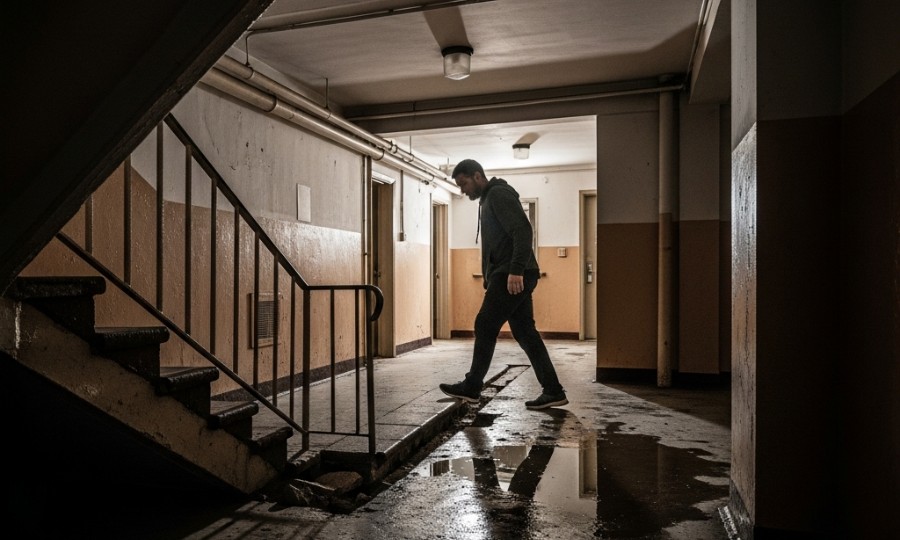
That familiar creak of an old floorboard, the dimly lit stairwell, or perhaps a perpetually leaky faucet in the common bathroom – these aren’t just minor inconveniences, especially when they lead to injury. For residents of the Bronx, knowing your rights as a tenant is incredibly important, particularly when it comes to the safety of your living environment. We’re talking about landlord liability, and it’s a topic that directly impacts your well-being. Have you ever considered the potential dangers lurking in those seemingly minor issues?
It’s a fact: property owners and managers in New York have a legal obligation to maintain their premises in a reasonably safe condition for tenants and visitors alike. When they fail to do so, and someone gets hurt, they can be held accountable. This isn’t just about general courtesy; it’s rooted in specific laws and regulations designed to protect you. Understanding these responsibilities is your first step toward ensuring your safety and, if necessary, pursuing justice if an injury occurs due to their negligence.
Understanding Your Landlord’s Legal Duties in New York
In New York, property owners owe what’s known as a ‘duty of care’ to those who lawfully enter their property. This isn’t a vague suggestion; it’s a legal mandate. Specifically, New York’s Multiple Dwelling Law and the Housing Maintenance Code lay out clear requirements for landlords, especially in bustling areas like the Bronx. They’re expected to keep the property, including common areas, in good repair and free from hazardous conditions. Think about it: stairwells, hallways, lobbies, sidewalks, and even shared laundries – these are all areas where a landlord’s negligence can lead to serious accidents, like a slip or trip and fall.
But what exactly does ‘reasonable care’ entail, especially when it comes to maintaining a safe environment? It means a landlord must take steps that a reasonably prudent person would take to prevent foreseeable harm. This includes regularly inspecting the property, making necessary repairs promptly, and warning tenants about any known dangers that can’t be immediately fixed. For instance, if a landlord knows a section of the sidewalk leading to their Fordham building is prone to icing over in winter, they have a duty to address it (e.g., salt, repair, or warn) to prevent someone from slipping.
What Constitutes a “Hazardous Condition”?
A hazardous condition isn’t always a gaping hole in the floor. It can be far more subtle but just as dangerous. Common examples include wet or slippery surfaces from spills or leaks, broken or uneven stairs, inadequate lighting in common areas, torn carpeting, loose handrails, or even neglected icy patches on sidewalks and entryways. Consider a scenario in the Bronx: Ms. Rodriguez, a tenant in a building in the Fordham neighborhood, slipped and fractured her wrist on an untreated icy patch right outside the main entrance. The area had been covered in ice for several days after a winter storm, despite repeated calls from tenants to the building management. This wasn’t an unavoidable accident; it was a foreseeable hazard that the landlord failed to address, demonstrating a clear breach of their duty.
When Negligence Leads to Injury: The Core of Your Claim
At the heart of any slip or trip and fall claim in the Bronx is the concept of negligence. To successfully hold a landlord accountable, you generally need to prove four key elements: duty, breach, causation, and damages. We’ve talked about duty, but what about the others? Breach means the landlord failed in their duty of care. Causation means that this failure directly led to your injury. And damages refer to the actual harm you suffered, like medical bills, lost wages, and pain and suffering.
Crucially, you usually need to show that the landlord had either ‘actual notice’ or ‘constructive notice’ of the dangerous condition. Actual notice means they literally knew about it – perhaps you reported it, or an employee saw it. Constructive notice means they should have known about it because the condition existed for a long enough time that a reasonable landlord would have discovered and fixed it. How can you be sure your landlord knew, or should have known, about that hazard before your fall?
Proving Your Case: What Evidence Do You Need?
Gathering evidence immediately after an incident is paramount. This includes taking clear photographs or videos of the hazardous condition from multiple angles and distances, documenting the exact time and date. If there were witnesses, get their contact information. Always report the incident to the landlord or building management, but be cautious about signing anything without legal advice. Keep all medical records, bills, and any documentation of lost wages. For example, Mr. Chen, a resident in a pre-war building in Mott Haven, tripped over a severely frayed and torn carpet in the dimly lit hallway. He’d noticed the condition for weeks, and so had several neighbors who’d reported it. After his fall, he took photos, got statements from neighbors, and immediately sought medical attention for his sprained ankle. This kind of detailed documentation is vital for building a strong case.
Steps to Take After a Slip or Trip and Fall in the Bronx
If you’ve experienced a slip or trip and fall due to unsafe conditions on a landlord’s property in the Bronx, your first priority must be your health. Seek medical attention immediately, even if you think your injuries are minor. Some injuries, like concussions or soft tissue damage, might not be apparent right away but can have long-term consequences. Getting a medical evaluation creates an official record of your injuries and their potential link to the incident.
After addressing your health, focus on documentation. We can’t stress this enough. Take photos, get witness statements, and note down every detail you can remember about the incident and the hazardous condition. Report the incident to your landlord or building management in writing, but stick to the facts and avoid speculation or admitting fault. Remember, anything you say or write could potentially be used later. Finally, and perhaps most importantly, consult with an attorney experienced in New York premises liability law. They can help you understand your rights, navigate the complexities of landlord liability, and protect your interests.
Common Areas vs. Inside Your Apartment: What’s the Difference?
It’s important to differentiate between common areas and the interior of your private apartment when discussing landlord liability. Generally, landlords have a higher degree of responsibility for maintaining common areas (like hallways, stairwells, lobbies, and shared outdoor spaces) because they retain control over them. For hazards inside your private apartment, the landlord’s liability often hinges on whether they were notified of the issue and failed to address it within a reasonable timeframe, or if the defect was pre-existing when you moved in. For instance, imagine a persistent leak from the apartment above in a Riverdale building, causing a puddle inside your unit. You’ve reported it multiple times, but the landlord has neglected repairs. If you slip and fall in that puddle, the landlord could certainly be held liable for their inaction. This differs from, say, if you spilled water yourself and immediately slipped.
Don’t Let Unsafe Conditions Go Unaddressed: Your Rights Matter
We understand that dealing with an injury, especially one caused by someone else’s negligence, can feel incredibly overwhelming and frustrating. You might be thinking this won’t work because you’re ‘just a tenant,’ or perhaps you’re worried about the hassle of a legal process. However, your safety and well-being are paramount, and New York law is designed to protect you from landlords who shirk their responsibilities. If you’ve been hurt due to an unsafe condition on a property in the Bronx, you have rights, and you deserve to explore every avenue for recovery. Isn’t it frustrating when you report an issue, only for it to be ignored until someone gets hurt? Why should you have to bear the financial and emotional burden of an injury that wasn’t your fault?
I believe that every tenant deserves to live in a safe environment, and when that safety is compromised due to negligence, accountability is crucial. Taking action not only helps you recover but also encourages landlords to maintain safer premises for everyone. Don’t let fear or uncertainty prevent you from seeking the justice and compensation you may be entitled to. Your landlord has a duty, and if they breach it, you have a right to hold them accountable.
If you or a loved one has suffered an injury due to unsafe premises in the Bronx, you’re not alone. Reach out to a qualified personal injury attorney today. They can review the specifics of your case, explain your legal options, and help you determine the best path forward. A consultation can provide the clarity and confidence you need during a challenging time. Don’t wait; protect your rights and your future.
This article was drafted with AI assistance. Please verify all claims and information for accuracy. The content is for informational purposes only and does not constitute professional advice.
Free Consultation
We want to hear about your case! Fill in the form to speak to a Bronx personal injury attorney now!
Follow us for legal tips and case results:
