
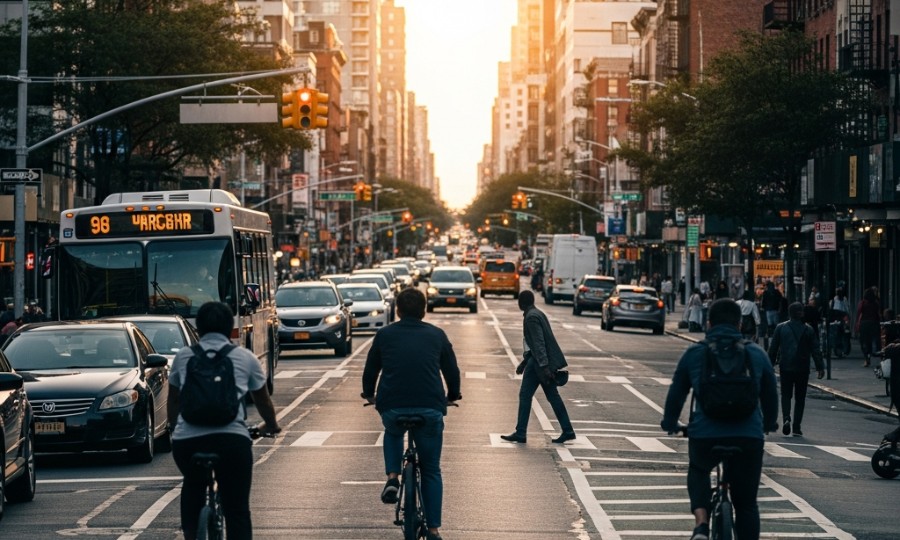
Ever felt a pang of worry crossing a busy Bronx street, or cycling alongside roaring traffic? You’re not alone. Recent data from the NYC Department of Transportation (DOT) and NYPD collision reports paints a stark picture: pedestrian and cyclist injuries and fatalities are on a troubling incline across New York City, and the Bronx is disproportionately affected. It’s a crisis that touches lives, impacts communities, and frankly, leaves many of us wondering, doesn’t everyone deserve to feel safe simply trying to get to work or pick up groceries?
As expert content creators, we’re diving deep into this critical issue, focusing on the specific challenges that make Bronx streets particularly hazardous for those on foot or bike. We’ll explore why the numbers are rising, what makes the Bronx unique in this regard, and most importantly, what you can do to navigate these streets more safely and advocate for meaningful change. It’s a professional and engaging look at a serious concern, designed to empower you with knowledge.
The Alarming Rise: Pedestrian and Cyclist Injuries in the Bronx
The statistics are sobering. According to Vision Zero data, while NYC has made strides in some areas, pedestrian and cyclist fatalities remain stubbornly high. The Bronx, in particular, often sees a higher rate of severe injuries and deaths compared to some other boroughs. Why is this happening? You might wonder if it’s just more traffic, but the truth is, it’s a complex mix of factors, many of which are specific to the borough’s infrastructure and traffic patterns. We’re talking about everything from the sheer volume of vehicles to the design of our streets.
Consider the daily commute for countless Bronx residents. Many rely on walking, cycling, or public transit that requires pedestrian access. Areas like the Grand Concourse, Fordham Road, and major arterial streets, while vital transportation corridors, often become hotspots for collisions. These aren’t just abstract numbers; they represent neighbors, friends, and family members whose lives have been impacted. It’s a situation that undoubtedly feels overwhelming for many, but understanding it is the first step toward action.
Why the Bronx is Uniquely Challenging for Vulnerable Road Users
Here’s the thing about the Bronx specifically: it faces a confluence of factors that amplify the risks for pedestrians and cyclists. Historically, many of the borough’s main thoroughfares were designed with vehicle throughput as the primary concern, often at the expense of pedestrian and cyclist safety. This means wider lanes that encourage higher speeds, longer crossing distances at intersections, and, in many areas, a noticeable lack of protected bike lanes or dedicated pedestrian infrastructure.
Plus, the Bronx often serves as a crucial transit point for commercial traffic entering and exiting the city, meaning a higher concentration of large trucks and delivery vehicles. These vehicles, as we’ll discuss, pose a significantly greater risk in the event of a collision. Add to this the reality of varying road conditions, sometimes inadequate lighting, and the simple human tendency to rush, and you’ve got a recipe for increased danger. Don’t you think it’s time our streets reflected the diversity of how we travel?
The ‘Bigger is Better’ Problem: How Larger Vehicles Exacerbate Risks
It’s not just the number of vehicles; it’s also their size. The proliferation of larger vehicles — SUVs, pickup trucks, and commercial delivery vehicles — has a direct and devastating impact on pedestrian and cyclist safety. Generally speaking, these larger vehicles have more significant blind spots, especially when turning, making it harder for drivers to see smaller road users. Also, their sheer mass means that in a collision, the force transferred is far greater, leading to more severe injuries and fatalities.
Think about it: a collision with a sedan is serious, but a collision with a large truck can be catastrophic. The elevated front ends of many modern SUVs and trucks also mean that in an impact, a pedestrian is more likely to be thrown under the vehicle rather than over the hood, dramatically increasing the likelihood of fatal injuries. This trend isn’t unique to the Bronx, but given the borough’s arterial roads and commercial traffic, its effects are acutely felt here. We’re truly seeing the consequences of a design philosophy that prioritizes size over safety.
Community Calls and Official Responses: Pushing for Safer Streets
It’s easy to feel frustrated, even a little helpless, in the face of these challenges. But the good news is that communities in the Bronx aren’t staying silent, and official bodies are (slowly but surely) responding. Advocacy groups like Transportation Alternatives and local community boards are actively pushing for infrastructure improvements, safer street designs, and more robust enforcement of traffic laws. They’re demanding more protected bike lanes, shorter pedestrian crossing times, speed cameras, and redesigned intersections.
The NYC DOT, under the umbrella of the city’s Vision Zero initiative (which aims to eliminate traffic fatalities and serious injuries), has implemented various projects in the Bronx. These include street redesigns, speed reduction programs, and public awareness campaigns. While progress can feel slow, these efforts are crucial. For example, specific intersection redesigns at high-crash locations or the installation of leading pedestrian intervals (LPIs) can make a tangible difference. But, as you know, there’s always more work to be done.
Empowering Yourself: Essential Safety Strategies for the Bronx
While advocating for systemic change is vital, you also have a role to play in your personal safety. For pedestrians, this means always using crosswalks, obeying traffic signals (yes, even when you’re in a hurry!), and making eye contact with drivers before crossing. Ditch the distractions like your phone, especially when near traffic. For cyclists, wearing a helmet is non-negotiable, as is using lights at night and wearing bright, reflective clothing. You’ll want to ride predictably, signal your turns, and follow traffic laws just like a vehicle.
Also, defensive walking and cycling are key. Always assume drivers don’t see you, and be prepared to react. Consider taking routes with less traffic or dedicated bike lanes, even if it adds a few extra minutes to your journey. Remember, your safety isn’t something to gamble with. We believe that by combining personal responsibility with collective advocacy, we can truly begin to turn the tide on this crisis.
Your Next Steps for a Safer Bronx
The pedestrian and cyclist safety crisis in the Bronx is real, and it demands our attention. We’ve explored the alarming statistics, the borough’s unique challenges, the impact of larger vehicles, and the ongoing efforts to make our streets safer. Now, what can you do? First, commit to practicing safe habits yourself. Second, get involved. Contact your local community board, join a transportation advocacy group, or simply report dangerous conditions to NYC 311 or the DOT. Every voice counts.
The vision of a Bronx where everyone can walk and bike without fear isn’t a pipe dream; it’s an achievable goal, but it requires sustained effort from all of us. Let’s work together to create a safer, more livable Bronx for everyone. Your actions today can truly help shape the streets of tomorrow.
Free Consultation
We want to hear about your case! Fill in the form to speak to a Bronx personal injury attorney now!
Follow us for legal tips and case results:
