
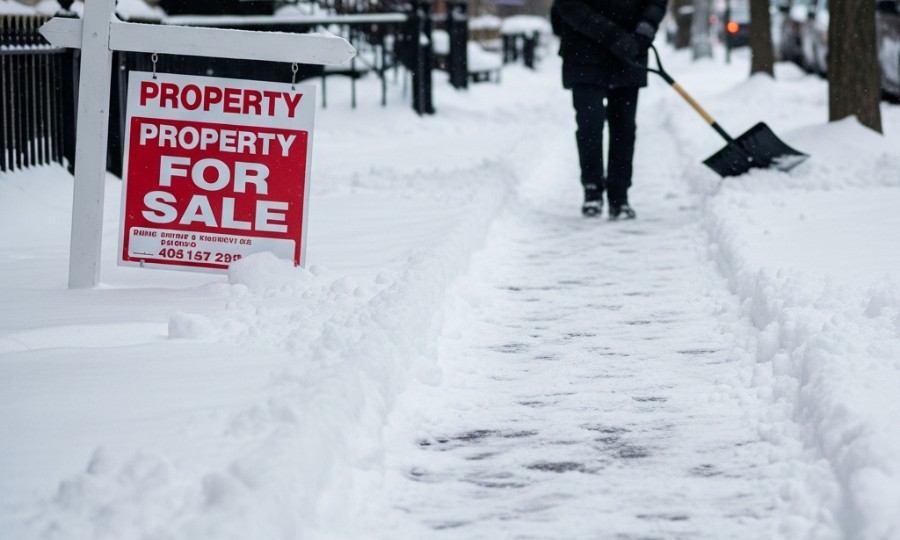
Winter in New York City brings a certain charm, doesn’t it? The festive lights, the promise of a fresh snowfall… But for property owners, that charm can quickly turn into a significant responsibility, especially when it comes to snow and ice removal. We’re not just talking about good neighborliness here; we’re talking about legal obligations with serious implications. That’s why the recent directive from New York Attorney General Letitia James, specifically reminding Bronx property owners of their snow and ice removal duties, is so crucial.
It’s easy to think, “Oh, it’s just a little snow,” (we’ve all been there, right?) but the truth is, the Attorney General’s office isn’t sending out these reminders lightly. They’re emphasizing existing laws and your role in maintaining safe public access, which ultimately protects everyone. You might wonder, why the Bronx specifically? While these rules apply citywide, focused reminders often target areas where compliance might be particularly vital or where issues have historically arisen. So, let’s break down what this warning means for you, the property owner, and how you can ensure you’re not just clearing a path, but also clearing yourself of potential liability.
Understanding Your Legal Footprint: What the AG’s Warning Means for Bronx Property Owners
When the Attorney General issues a warning, it’s a clear signal that the state is serious about enforcement. For Bronx property owners, this isn’t just a friendly reminder; it’s a reiteration of a long-standing legal duty. Under the New York City Administrative Code, property owners are responsible for clearing snow and ice from the sidewalks adjoining their property. This isn’t an optional task; it’s a mandatory one designed to ensure pedestrian safety.
Here’s the thing: failing to comply isn’t just about a potential fine, though those can certainly add up. More significantly, it opens you up to substantial liability if someone slips and falls on your unmaintained sidewalk. Imagine Mr. Henderson, a small business owner in the Belmont neighborhood of the Bronx. A heavy snowstorm hits overnight. Mr. Henderson, perhaps feeling overwhelmed or simply unaware of the strict deadlines, doesn’t clear his sidewalk until late afternoon. During the morning rush, a pedestrian slips on a patch of black ice, breaking their wrist. That pedestrian could pursue a lawsuit, arguing that Mr. Henderson’s negligence (his failure to clear the ice promptly) directly caused their injury. These cases can be incredibly costly, involving medical bills, lost wages, and pain and suffering.
The Attorney General’s emphasis underscores that this isn’t a minor infraction. It’s about public safety and accountability. We’re all part of a community, and maintaining safe public spaces is a shared responsibility, with specific duties falling squarely on property owners.
The Nitty-Gritty: NYC’s Snow Removal Rules and Deadlines
So, what are these specific duties and deadlines? It’s not enough to just know you have to clear snow; you need to know when and how. New York City has clear guidelines:
- Daytime snow: If snow stops falling between 7 AM and 4:59 PM, you have four hours to clear the snow and ice from your sidewalks.
- Evening and Overnight Snow: If the snow stops between 5 PM and 8:59 PM, you have 14 hours to clear it. If it stops overnight — between 9 PM and 7 AM — you have until 11 AM that morning.
- Persistent Ice: When ice is frozen too hard to remove, the code allows you to spread ashes, sand, salt, or another abrasive material within the same deadlines — then remove the ice as soon as the weather permits. This matters because often, it’s not the snow but the underlying ice that causes the most dangerous falls.
These aren’t suggestions; they’re firm rules. Take Sarah, who manages an apartment building in Riverdale. She might think, “My super will get to it when they can.” But if snow stops falling at 6 PM and her super doesn’t start clearing until after 8 AM the next morning, her building is already in violation. If a tenant or visitor were to fall during that window, the building management would face a significant legal challenge. It’s about being proactive and having a plan in place.
This also extends to areas beyond just the immediate front of your property. Owners of corner properties should also keep curb cuts and pedestrian ramps beside their property passable, so everyone — including people with disabilities — can cross safely. It’s an inclusive approach to safety that you’ll want to embrace.
Beyond the Shovel: Potential Liabilities and Protecting Your Investment
The financial and legal ramifications of neglecting snow and ice removal can be substantial. Beyond the fines from the Department of Sanitation, you’re looking at personal injury lawsuits. These can involve:
- Medical Expenses: Emergency room visits, surgeries, physical therapy.
- Lost Wages: If the injured party can’t work.
- Pain and Suffering: Compensation for the physical and emotional distress caused by the injury.
- Legal Fees: Your own defense costs, which can escalate quickly even if you ultimately prevail.
Consider a hypothetical scenario in City Island. A homeowner, Mr. Rodriguez, usually clears his sidewalk diligently. However, after a light dusting of snow, freezing rain unexpectedly turns his perfectly shoveled path into a sheet of ice. He doesn’t notice it until a delivery driver, rushing to complete their route, slips and sustains a serious back injury. Even though Mr. Rodriguez cleared the snow, his failure to apply an abrasive material to the ice could still make him liable. This highlights that it’s not just about removing snow, but about ensuring a safe walking surface.
So, what can you do to protect yourself and your investment? First, be intimately familiar with the specific regulations that apply to your property type and location within the Bronx. Second, establish a clear and reliable plan for snow and ice removal, whether that involves hiring a professional service or delegating responsibilities with clear instructions and oversight. Documenting your efforts (e.g., keeping records of when and how you cleared snow, photos after clearing) can also be invaluable evidence if a dispute arises. It sounds like a lot, but a little preparation can save you a world of trouble down the line.
Proactive Steps: How to Stay Compliant and Avoid Headaches
Staying compliant with NYC’s snow and ice removal regulations isn’t just about avoiding penalties; it’s about being a responsible property owner and community member. We know this feels overwhelming sometimes, especially with unpredictable winter weather, but there are practical steps you can take:
- Know Your Zone: Understand the specific ordinances for your property in the Bronx. While the general rules are citywide, local nuances can sometimes exist. Are you near a school? A hospital? These areas might have heightened scrutiny.
- Develop a Winter Weather Plan: Don’t wait for the first snowflake. Arrange for snow removal services in advance, or if you’re doing it yourself, have all necessary equipment (shovels, salt, sand) ready and accessible. Train anyone who will be assisting you on the specific requirements and deadlines.
- Monitor Weather Forecasts: Stay ahead of the storm. Knowing when snow or freezing rain is expected allows you to prepare and act promptly once precipitation starts. There are many reliable local weather apps and news channels you can use.
- Document Everything: In the event of an incident, having a record of your compliance can be critical. Take photos of your cleared sidewalks, note the times you cleared them, and keep receipts if you purchased salt or hired a service.
- Review Your Insurance: Speak with your insurance provider to ensure your policy adequately covers slip-and-fall incidents on your property. Understanding your coverage limits and deductibles is crucial for peace of mind. You might be thinking this won’t work because insurance is expensive, but the cost of a lawsuit far outweighs the investment in proper coverage.
The Attorney General’s recent warning serves as an important reminder for all Bronx property owners. It’s a call to action, urging you to prioritize safety and compliance this winter season. By understanding your obligations and taking proactive steps, you can help keep our sidewalks safe, protect yourself from liability, and ensure a smoother, less stressful winter for everyone. Don’t let a winter wonderland turn into a legal quagmire; be prepared, be compliant, and stay safe.
This article was drafted with AI assistance. Please verify all claims and information for accuracy. The content is for informational purposes only and does not constitute professional advice.
Free Consultation
We want to hear about your case! Fill in the form to speak to a Bronx personal injury attorney now!
Follow us for legal tips and case results:
