
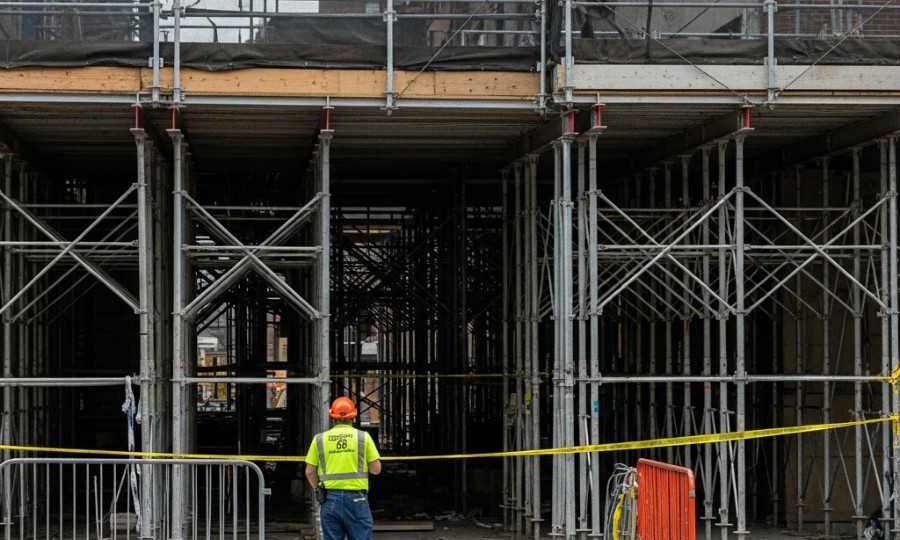
When we hear about a building collapse, like the recent tragic incident in the Bronx, it’s natural to feel a deep sense of shock and concern. But beyond the headlines, have you ever stopped to think about the intricate web of safety protocols that should be in place on every construction site, and what happens when they fail? It’s not just about compliance; it’s about protecting lives, livelihoods, and our communities. For anyone working in or around construction, understanding these safety measures and your legal protections is absolutely critical, especially here in New York City where construction never truly sleeps.
The truth is, construction is inherently dangerous, but many accidents aren’t unavoidable. They’re often the direct result of negligence or a blatant disregard for established safety standards. We’re going to delve into the critical importance of construction site safety, explain what happens when things go wrong, and clarify the legal avenues available to workers impacted by negligence. You’ll learn what steps you can take to protect yourself and your rights, because frankly, you deserve to feel safe at work.
The Unseen Dangers: Why Bronx Construction Site Safety is Non-Negotiable
Construction sites are bustling hubs of activity, but they’re also unfortunately home to some of the most dangerous work environments. Think about it: heavy machinery, heights, electrical hazards, falling objects, and unstable structures – the list goes on. This is precisely why stringent regulations exist, like those enforced by the Occupational Safety and Health Administration (OSHA) at the federal level, and New York State’s own Labor Laws, particularly Sections 240 and 241, often referred to as the ‘Scaffold Law.’ These aren’t just bureaucratic hurdles; they’re essential frameworks designed to prevent tragedies. Are these regulations just paper requirements, or do they truly save lives?
In the Bronx, with its ongoing revitalization and new developments, construction sites are ubiquitous. This means a constant need for vigilance. For example, imagine a crew working on a new high-rise in Mott Haven. If scaffolding isn’t properly erected, inspected, and maintained, a worker could suffer a devastating fall. Or consider excavation work near a busy street; inadequate shoring could lead to a trench collapse, endangering both workers and passersby. These aren’t hypothetical scenarios; they’re real risks that demand unwavering adherence to safety protocols. Property owners, general contractors, and even subcontractors all share a legal responsibility to ensure a safe working environment. When they don’t, the consequences can be catastrophic.
When Safety Fails: Understanding Negligence on Construction Sites
So, what exactly constitutes negligence in a construction context? Generally speaking, it means a party (like a contractor, property owner, or supervisor) failed to exercise the reasonable care that a prudent person or company would have used in a similar situation, and this failure directly led to an injury or accident. This could be anything from failing to provide adequate safety equipment (think harnesses for working at heights, or hard hats on site) to neglecting regular equipment maintenance or even hiring untrained personnel.
Here’s the thing: sometimes, a building collapse or a serious injury isn’t just an accident; it’s the culmination of multiple negligent acts. For instance, a structural collapse might stem from an architect’s faulty design, a contractor’s use of substandard materials, or a supervisor pushing workers to cut corners for the sake of speed. You might wonder, who’s responsible then? The answer can be complex, often involving multiple parties. A specific example: a crane collapse could be attributed to a faulty crane (manufacturer negligence), an unqualified operator (hiring company negligence), or improper site assessment (general contractor negligence). Unraveling these threads is crucial for understanding your legal options.
Your Rights as a Construction Worker: What You Need to Know After a Bronx Building Collapse
If you’re a construction worker injured on the job, especially following an event like a building collapse in the Bronx, it’s understandable to feel overwhelmed and uncertain about your next steps. We know this feels incredibly frustrating, but you do have critical legal rights designed to protect you. First and foremost, most covered workers are entitled to Workers’ Compensation benefits for work-related injuries, which can cover medical expenses and a portion of lost wages, regardless of fault, subject to statutory exclusions and requirements. This is a no-fault system, meaning you don’t have to prove employer negligence.
However, Workers’ Compensation often doesn’t cover all your damages, especially for severe injuries or long-term disability. This is where a third-party liability claim comes in. If your injury was caused by the negligence of a party other than your direct employer (such as a property owner, a different contractor, or a manufacturer of faulty equipment), you may have grounds for a personal injury lawsuit. This type of claim allows you to seek full compensation for things like pain and suffering, emotional distress, and future lost earnings – damages not typically covered by Workers’ Comp. You might be thinking that filing a claim is too complicated or that it won’t work because of your Workers’ Comp, right? But these are separate legal avenues, and pursuing a third-party claim can significantly impact your recovery.
Taking Action: Steps After a Construction Site Injury in NYC
If you’ve been injured on a construction site, acting quickly and strategically is key to protecting your rights and ensuring you get the care and compensation you deserve. First, seek immediate medical attention. Your health is paramount, and a documented medical record from the start is vital for any future legal proceedings. Even if you think it’s a minor injury, get it checked out; some issues don’t surface right away.
Then, report the incident to your supervisor or employer as soon as possible. In New York, there are strict deadlines for reporting workplace injuries, and missing them can jeopardize your claim. Be sure to get a copy of the incident report. If you can, document everything: take photos or videos of the accident scene, your injuries, and any faulty equipment. Get contact information for any witnesses. This information can be incredibly valuable later on. For instance, if a ladder collapses beneath you, snapping a picture of the broken ladder and the surrounding area can provide undeniable evidence of a hazard.
Finally, and perhaps most importantly, consult with an experienced NYC construction accident lawyer. They can help you navigate the complexities of both Workers’ Compensation and potential third-party claims, ensuring your rights are protected every step of the way. I believe that having an expert in your corner can make all the difference, especially when you’re up against powerful construction companies and insurance providers. They can assess the full extent of your damages, identify all responsible parties, and fight for the maximum compensation you’re entitled to. Don’t go through this challenging time alone; you’ve got options, and we’re here to help you explore them.
This article was drafted with AI assistance. Please verify all claims and information for accuracy. The content is for informational purposes only and does not constitute professional advice.
Free Consultation
We want to hear about your case! Fill in the form to speak to a Bronx personal injury attorney now!
Follow us for legal tips and case results:
