
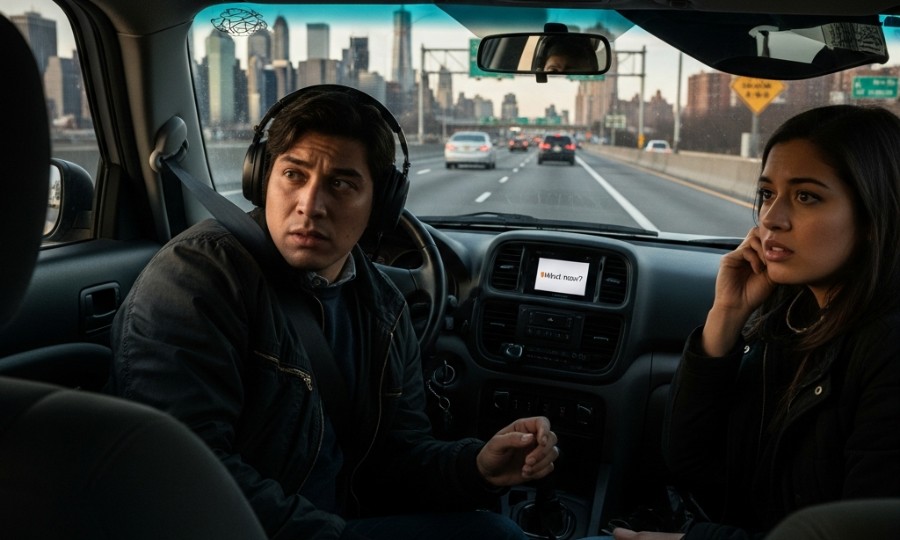
Picture this: You’re navigating the notorious Cross Bronx Expressway, maybe heading to a Yankees game or just trying to get across town, and you’ve opted for the convenience of an Uber or Lyft. Suddenly, without warning, there’s a jolt, a screech of tires, and you’re involved in an accident. What now? It’s a terrifying scenario, and frankly, it’s one many New Yorkers unfortunately face. While traditional car accidents are complex enough, rideshare incidents introduce a whole new layer of legal challenges. You might think your claim will be straightforward, but often, it’s anything but.
With rideshare popularity soaring, the chances of being involved in an accident as a passenger, driver, or another motorist have increased. But what makes these situations so different from a standard collision? It largely boils down to insurance, liability, and the sheer corporate power behind companies like Uber and Lyft. Understanding these nuances is crucial for protecting your rights and ensuring you receive the compensation you deserve. Let’s dive into the reality of navigating rideshare accident claims, from the busy thoroughfares of the Cross Bronx to any street corner in America.
The Unique Landscape of Rideshare Insurance: It’s Not Your Average Policy
One of the biggest hurdles in a rideshare accident claim is deciphering the insurance landscape. It’s significantly more complicated than typical auto insurance. Uber and Lyft operate with a tiered insurance system that depends on the driver’s ‘status’ at the time of the accident. You might wonder, what exactly does that mean for your claim?
Here’s a breakdown:
- App Off: If the rideshare driver’s app is off, their personal auto insurance policy is typically the primary coverage. Uber and Lyft aren’t involved here.
- App On, Waiting for a Request: When the driver has the app on and is waiting for a ride request, Uber and Lyft usually provide limited liability coverage. This often includes $50,000 for bodily injury per person, $100,000 for bodily injury per accident, and $25,000 for property damage. However, this coverage is secondary to the driver’s personal insurance, which might deny the claim if they learn the driver was operating commercially.
- App On, En Route to Pick Up a Passenger, or During a Trip: This is where the major coverage kicks in. Once a driver accepts a ride request until the passenger is dropped off, Uber and Lyft typically carry a robust $1 million in third-party liability coverage. This also often includes uninsured/underinsured motorist (UM/UIM) coverage and sometimes even collision and comprehensive coverage for the driver’s vehicle, albeit with a high deductible.
The truth is, determining which policy applies can be a nightmare. Imagine you’re a passenger in an Uber on the Cross Bronx, and an uninsured motorist rear-ends you. Who pays your medical bills? In this scenario, Uber’s $1 million UM/UIM policy would likely be your primary recourse, but navigating that claim process is far from simple. It’s a game of shifting responsibilities, and you’ll want someone on your side who understands the rules.
Immediate Steps After a Rideshare Accident: Protecting Your Rights
An accident, especially on a high-stress route like the Cross Bronx, can be disorienting. But what you do in the immediate aftermath can significantly impact your Uber accident claim. First and foremost, ensure your safety and the safety of others. Then, follow these critical steps:
- Call 911: Even if injuries seem minor, call the police. A formal police report is invaluable evidence, documenting the scene, drivers involved, and initial assessment of fault.
- Seek Medical Attention: Your health is paramount. See a doctor immediately, even if you feel fine. Adrenaline can mask injuries, and delaying care can hurt your claim by creating doubt about the cause of your injuries. (And trust me, you’ll want to be thorough here.)
- Gather Evidence: Take photos and videos of the accident scene, vehicle damage, traffic signals, and any visible injuries. Exchange information with everyone involved: the rideshare driver, the other driver(s), and any witnesses. Get names, phone numbers, license plate numbers, and insurance information. Don’t forget to get the rideshare driver’s name and contact information, along with details of their specific trip (e.g., screenshot of the ride in the app).
- Report the Accident: Notify Uber or Lyft through their app immediately. Also, inform your own insurance company, even if you weren’t driving. They might have medical payment coverage or other benefits you can utilize.
- Avoid Discussing Fault: Don’t apologize or admit fault, even casually. Stick to the facts when speaking with police or other drivers.
Remember, the moments following an accident are chaotic, but your diligence can make all the difference in establishing a strong foundation for your case.
Why a Specialized Rideshare Accident Lawyer is Crucial (Especially in NYC)
Navigating an accident claim involving Uber or Lyft is rarely straightforward. These aren’t your typical fender-benders where you deal with two insurance companies. Here, you might be up against multiple insurers (the driver’s personal, Uber/Lyft’s primary, Uber/Lyft’s excess, and your own), each looking to minimize their payout. This is particularly true in a complex legal environment like New York, with its no-fault insurance system.
A specialized rideshare accident lawyer understands these intricate layers. They know how to identify the applicable insurance policies, negotiate with powerful rideshare company legal teams, and challenge adjusters who try to undervalue your injuries or shift blame. Do you really want to navigate that alone while recovering from an injury? In my experience, victims who try to handle these cases themselves often leave significant compensation on the table. A lawyer can:
- Investigate the accident thoroughly.
- Determine which insurance policies apply and pursue maximum coverage.
- Handle all communications with insurance companies, protecting you from common tactics used to minimize claims.
- Negotiate settlements for medical bills, lost wages, pain and suffering, and other damages.
- Represent you in court if a fair settlement can’t be reached.
Especially in a high-stakes setting like a Cross Bronx rideshare accident, where traffic, speed, and multiple jurisdictions can complicate matters, having an expert advocate is indispensable. They’re your shield against the corporate giants.
Common Hurdles in Rideshare Accident Claims: What to Expect
Even with meticulous preparation, you should anticipate certain challenges when pursuing rideshare injury compensation. Here’s the thing about these cases: they often involve more moving parts than a traditional car accident. You might encounter:
- Disputes Over Driver Status: Insurers might argue the driver’s app wasn’t on, or they were ‘off duty,’ trying to push liability onto a personal policy that may not cover commercial activity.
- Blame Shifting: The rideshare company might try to blame the driver, and the driver’s personal insurer might blame the rideshare company. It’s a classic hot potato scenario.
- Undervaluation of Injuries: Insurance adjusters are trained to pay as little as possible. They might question the severity of your injuries, the necessity of your treatment, or attribute your pain to pre-existing conditions.
- New York’s No-Fault System: While your Personal Injury Protection (PIP) coverage will initially cover medical expenses and lost wages up to a certain limit, to step outside of this and claim for pain and suffering, you must meet New York’s ‘serious injury’ threshold. This adds another layer of complexity that requires expert legal interpretation.
- Lack of Cooperation: Sometimes, obtaining necessary information from rideshare companies or even drivers can be challenging. A lawyer has the legal tools to compel disclosure.
Generally speaking, the more severe your injuries and the higher your claim, the more resistance you can expect. This is precisely why having a dedicated legal team in your corner can relieve immense pressure and ensure your rights are vigorously defended.
Moving Forward: Your Path to Recovery and Justice
Getting into a rideshare accident can be a truly upsetting and frustrating experience. We know this feels overwhelming, but you’re not alone, and there’s a clear path forward. Your primary focus should be on your physical and emotional recovery. Don’t let the legal complexities prevent you from seeking the justice and compensation you deserve.
The most important next step you can take is to consult with a qualified personal injury attorney specializing in rideshare accidents. They can assess your specific situation, explain your options under New York law, and guide you through every stage of the claims process. Don’t sign any documents from insurance companies or rideshare corporations without legal review. Your future and financial well-being depend on making informed decisions. By understanding the unique challenges of rideshare accidents and having expert legal representation, you can navigate these difficult waters and work towards a resolution that truly supports your recovery.
This article was drafted with AI assistance. Please verify all claims and information for accuracy. The content is for informational purposes only and does not constitute professional advice.
Free Consultation
We want to hear about your case! Fill in the form to speak to a Bronx personal injury attorney now!
Follow us for legal tips and case results:
