
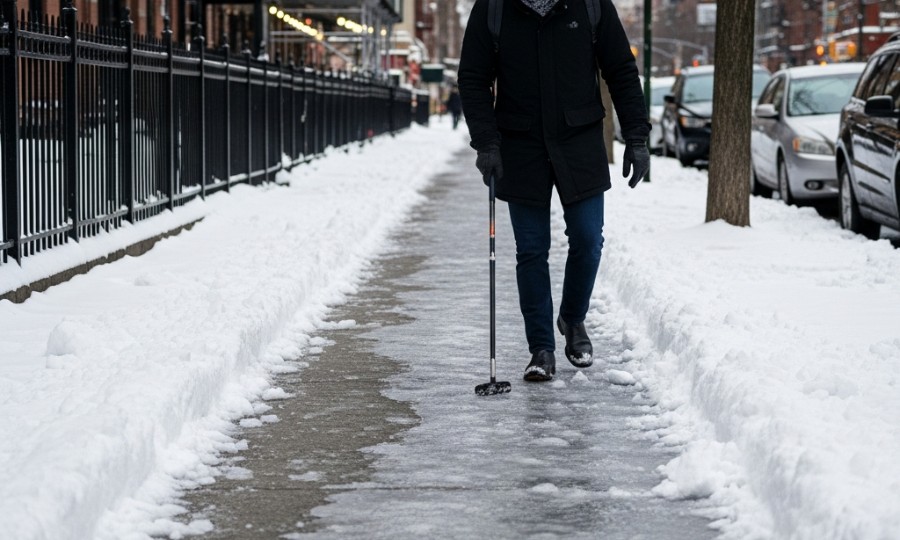
The Treacherous Truth About Winter Walks in the Bronx
Isn’t it beautiful when the Bronx gets blanketed in fresh snow? There’s a certain magic to it, isn’t there? But beneath that pristine white cover, a hidden danger often lurks: ice. For many American readers, especially those of us in the Northeast, the charm of winter can quickly turn into a nightmare, particularly when icy sidewalks and uncleared pathways lead to devastating slip and fall accidents. We’re not just talking about a minor tumble; these incidents can result in serious injuries, from sprains and fractures to head trauma, profoundly impacting your life.
Here’s the thing: in the Bronx, and across New York City, property owners aren’t just encouraged to clear snow and ice; it’s a legal obligation. This isn’t merely a courtesy; it’s a critical responsibility designed to protect everyone who uses public and private walkways. But what happens when they don’t uphold that duty? That’s what we’re going to explore today, delving into the legal implications for slip and fall accidents on untreated surfaces and what your rights are.
Understanding NYC’s Snow Removal Laws: Who’s Responsible?
Let’s get straight to the facts about snow removal in the Big Apple. The law is quite specific, and it’s something every Bronx resident should be aware of. According to New York City Administrative Code § 16-123, property owners (which includes landlords, businesses, and even city agencies for their properties) are legally required to clear snow and ice from sidewalks adjacent to their property within a certain timeframe after precipitation stops. Generally speaking, they have four hours to clear sidewalks after the snow stops falling, or by 11 AM if the snow ceased between 9 PM and 7 AM. If they fail to do so, they could be held liable for injuries that occur.
You might wonder, does this apply to everyone? Yes, it does. Whether it’s a residential building, a bustling commercial establishment, or an empty lot, the responsibility falls squarely on the property owner or the party in control of the premises. This isn’t just about making things look tidy; it’s about preventing foreseeable hazards. For example, imagine a landlord of a three-story apartment building in Fordham Heights. After a heavy snowfall, they decide to wait a day or two before clearing the sidewalk, thinking it’s not a big deal. However, during that time, the snow melts slightly and refreezes into a treacherous sheet of black ice. If a tenant or a passerby slips and gets hurt, that landlord could absolutely be held accountable.
The truth is, this law is designed to place the burden of safety where it belongs: on those who control the property. It’s a fundamental aspect of premises liability here in New York.
When a Slip Becomes a Legal Claim: Proving Negligence on Icy Surfaces
So, you’ve slipped on ice that a property owner should have cleared. What’s next? To pursue a successful personal injury claim, you’ll generally need to prove negligence. This isn’t always as simple as it sounds, but it boils down to a few key elements:
- A hazardous condition existed: This means there was an accumulation of snow or ice that made the surface unreasonably dangerous.
- The property owner knew or should have known about it: This is often referred to as “notice.” Actual notice means the owner was directly informed or saw the hazard. Constructive notice means the hazard existed for such a length of time that a reasonably diligent owner should have discovered and remedied it.
- The owner failed to take reasonable action: They didn’t clear the snow/ice or make the area safe within the legally mandated or a reasonable timeframe.
- Your injury was a direct result: Your fall and subsequent injury were directly caused by this hazardous condition.
We know this feels overwhelming, especially when you’re dealing with pain and recovery. But understanding these pillars is crucial. Consider a scenario: a busy grocery store in Riverdale has an accumulation of ice at its entrance for several hours after the snow stopped. Numerous customers have to navigate it, clearly demonstrating it’s a known hazard. If you slip and break your wrist there, the store likely had constructive notice and failed to act. They might be thinking this won’t work because “it was just bad weather,” but the law says otherwise.
In my experience, proving notice is often the most challenging part of these cases, but it’s far from impossible with the right evidence.
Beyond the Sidewalk: Different Property Types, Different Rules?
While the core principles of premises liability remain consistent, the specifics can sometimes vary depending on the type of property. For instance, the obligations of a commercial property owner, like a shopping center in Co-op City, might be slightly different in terms of monitoring and maintenance compared to a small residential landlord. Commercial entities often have dedicated staff or contractors for snow removal, and they’re expected to be more proactive.
What about municipal property, like a public park or a school in Morrisania? Does the city always get a free pass? Not necessarily. While suing a municipality involves different procedural steps and often shorter statutes of limitations (you usually need to file a Notice of Claim within 90 days of the incident), the city still has a duty to maintain its properties safely. However, they are often afforded certain immunities, making these cases more complex. For example, if you slip on an icy path within a city park that hasn’t been cleared for days, you might have a claim, but you’ll need to move quickly and understand the specific requirements for claims against government entities.
It’s a common misconception that if it’s city property, there’s nothing you can do. The truth is, while more challenging, it’s not impossible, but it requires a very specific approach.
What to Do After an Icy Slip and Fall in the Bronx
If you or someone you know has suffered an injury due to an icy slip and fall, your immediate actions are incredibly important. First, and most importantly, seek medical attention for your injuries. Your health is paramount. Then, if possible, document everything. Take photos and videos of the scene, showing the ice, snow, and surrounding conditions, especially noting any uncleared areas. Get contact information from any witnesses who saw you fall or noticed the hazardous condition.
Don’t make assumptions about who is at fault, and absolutely do not admit any fault yourself, even if you feel embarrassed. Report the incident to the property owner or manager, but be careful what you say. It’s usually best to keep your statements factual and concise. Preserve the clothing and shoes you were wearing, as they might be important evidence later on. You might be thinking this won’t work because you don’t want to cause trouble, but protecting your rights after an injury is essential, especially when medical bills and lost wages start piling up.
These steps are critical in building a strong case and ensuring you have the evidence you need should you decide to pursue a claim.
Navigating the Legal Landscape: Your Rights and Next Steps
After an icy slip and fall, you’re likely facing not only physical pain but also mounting medical expenses, lost income from missed work, and significant emotional distress. Isn’t it just an accident? In many cases, no, it’s a result of negligence. New York law allows victims of such negligence to pursue compensation for these damages. This can include reimbursement for medical treatment, physical therapy, lost wages, and even pain and suffering.
The statute of limitations for personal injury cases in New York is generally three years from the date of the injury. However, as mentioned for municipal properties, this can be significantly shorter. So, what’s your next move if you’ve been hurt? Consulting with an experienced personal injury attorney is a crucial step. They can help you understand the complexities of New York’s premises liability laws, investigate your claim, gather necessary evidence, and negotiate with insurance companies on your behalf. They’ll ensure your rights are protected and guide you through every stage of the legal process.
It’s a tough situation, but you don’t have to face it alone. Seeking professional legal guidance can make all the difference in securing the compensation you deserve and helping you on your path to recovery.
Staying Safe and Informed This Winter
As winter continues to cast its chilly grip over the Bronx, let’s all remember the importance of vigilance. Property owners, you have a clear legal and moral obligation to maintain safe premises. For residents and visitors, be aware of your surroundings, but also know that you have rights if a property owner’s negligence leads to an injury. Don’t let the hidden dangers of winter catch you off guard or leave you without recourse. Stay safe, stay informed, and don’t hesitate to seek help if you need it.
This article was drafted with AI assistance. Please verify all claims and information for accuracy. The content is for informational purposes only and does not constitute professional advice.
Free Consultation
We want to hear about your case! Fill in the form to speak to a Bronx personal injury attorney now!
Follow us for legal tips and case results:
