
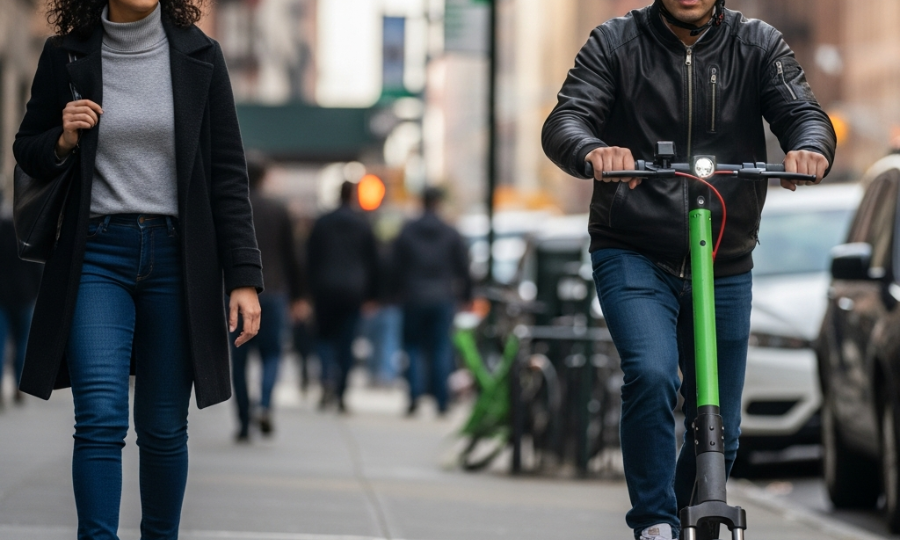
The Complete Guide to Pedestrian Safety and Micromobility in the Bronx
The streets and sidewalks of the Bronx are constantly evolving. New forms of transportation, like e-scooters and e-bikes, offer convenience. However, they also introduce new risks for pedestrians. Collisions involving these micromobility devices are unfortunately becoming more common. Understanding your rights and responsibilities is crucial. This comprehensive guide covers the rise of micromobility in the Bronx. It explains the laws governing these devices. We also detail how to pursue a claim if you suffer an injury. Our Bronx personal injury lawyers have decades of experience helping accident victims. We understand the unique challenges faced by local residents. This guide is for anyone navigating the complex world of pedestrian and micromobility safety. You will learn how to protect yourself and seek justice after an accident.
Key Takeaways
- New York State and City laws generally prohibit e-scooters and e-bikes from operating on sidewalks, requiring them to use bike lanes or streets with speed limits of 30 mph or less.
- Micromobility accidents often result in serious injuries, with head and face trauma being particularly common, and low helmet use significantly increases these risks.
- New York’s pure comparative negligence rule allows accident victims to recover compensation even if they were partially at fault, though their award is reduced by their fault percentage.
- Multiple parties, including riders, motorists, rental companies, and manufacturers, can be held liable in micromobility accidents, especially if negligence or product defects are involved.
The Rise of Micromobility and its Impact on Bronx Streets
What is Micromobility?
Micromobility refers to a range of small, lightweight vehicles. These include electric scooters and electric bicycles. These devices have gained significant popularity across New York City. They provide a flexible and often faster way to travel short distances. Many residents use them for commuting or making deliveries. This increased usage, however, brings new safety concerns for pedestrians.
The Bronx’s Unique Challenges
The Bronx, with its vibrant neighborhoods and bustling streets, has seen a substantial increase in micromobility usage. E-scooters, for example, play a significant role in first- and last-mile transit. In the Bronx, a notable percentage of Lime scooter trips started or ended within a quarter-mile of subway stations. This highlights their importance for connectivity. However, this convenience also creates potential conflicts. Pedestrians often share sidewalks and crosswalks with these devices. This can lead to dangerous encounters. Ensuring safety for everyone on our sidewalks is a priority.
Navigating New York’s Micromobility Laws
New York State and City laws govern the operation of e-bikes and e-scooters. These regulations aim to balance convenience with public safety. Understanding these rules is essential for both riders and pedestrians.
Where Can E-Scooters and E-Bikes Legally Operate?
New York State law permits the operation of e-scooters and e-bikes on public highways with a posted speed limit of 30 miles per hour or less. This includes designated bicycle lanes. In New York City, Class 1, Class 2, and Class 3 e-bikes may use bike lanes and vehicle lanes on streets with speed limits of 30 mph or less, according to Heybike. NYC guidance advises riders to stay off sidewalks. The speed limit for e-bikes and e-scooters in New York City is 15 mph, as stated by NYC DOT. Riders must obey all traffic signals and yield to pedestrians.
Sidewalk Riding is Prohibited
Operating an electric scooter or e-bike on sidewalks is illegal in New York City and statewide. New York State’s Vehicle & Traffic Law explicitly bars operating e-scooters on sidewalks, except where local ordinances authorize it. Similarly, NYC Administrative Code §19-176.2(b) prohibits operating electric scooters citywide, not specifically on sidewalks. Violating these rules can result in significant fines, depending on the offense. This prohibition is critical for pedestrian safety. Sidewalks are designed for foot traffic. Vehicles traveling at speeds of 15 to 20 mph create significant hazards for pedestrians. These devices can startle or injure pedestrians, especially children, the elderly, or individuals with disabilities. Obstacles like street signs and uneven pavement also make sidewalks dangerous for scooter riders. Parking on sidewalks is also generally illegal, though temporary parking for commercial unloading or loading may be an exception.
Age, Speed, and Equipment Requirements
Operators of e-bikes and e-scooters must be at least 16 years old. While helmets are not always required for adults, they are strongly recommended. Helmets are mandatory for 16 and 17-year-olds operating an e-scooter and for all operators of Class 3 e-bikes in New York City. All e-scooters must have working brakes, lights, reflectors, and a bell or other audible signal device. These equipment standards are crucial for preventing accidents, especially in low-light conditions.
Common Accidents and Devastating Injuries
The rise of micromobility devices has unfortunately led to an increase in accidents and related injuries. Understanding the types of incidents and the injuries they cause is vital for accident victims.
Types of Micromobility Accidents
Accidents involving e-bikes and e-scooters can occur due to various factors. These include negligent drivers who fail to yield or share the road. Poorly maintained roads, sidewalks, or bike lanes can also contribute to accidents. Defective equipment or mechanical failures, such as faulty brakes or throttles, are another cause. Collisions with pedestrians or other cyclists are also common. Nationally, falls account for a significant majority of e-scooter injuries, at 80%, according to Cummings Law. Collisions with objects account for 11% of injuries, and collisions with other motor vehicles account for 9%. In New York City, the most common cause of injury in a study by NYU Langone Health researchers was a collision with a car or truck, accounting for about half of cases.
Understanding Common Injuries
E-scooter and e-bike accidents can result in a wide range of injuries, from minor scrapes to severe trauma. Head and face injuries are particularly common. These include concussions, lacerations, traumatic brain injuries, and skull fractures. A study cited by Fiore Legal found that head injuries accounted for 40.2% of e-scooter accident patients. Arm and wrist fractures are also frequent, often occurring when riders extend their arms to brace for impact during a fall. Other common injuries include scrapes, cuts, bruises, internal organ trauma, and spinal cord injuries. Public health research indicates that a notable portion of patients treated for micromobility-related injuries suffer traumatic brain injury.
The Dangers of Low Helmet Use
Despite the severe nature of head injuries, helmet use among micromobility riders remains low. Several studies have noted low rates of helmet use among electric scooter users. Fewer than one-third of riders wore helmets in the NYU Langone Health study, and this was linked to significantly higher rates of brain and facial injuries. Wearing protective gear significantly reduces the risk of serious injury. For pedestrians, the risk is also substantial. Pedestrians struck by electric vehicles suffered brain injuries at nearly double the rate of riders in the NYU Langone Health study. This underscores the critical need for increased awareness and enforcement of helmet use for riders, and for vigilance from pedestrians.
Establishing Liability After a Micromobility Accident
Determining who is at fault after a micromobility accident can be complex. New York’s legal framework allows for recovery even if you share some responsibility. Our injury attorneys in the Bronx handle car, construction, and slip-and-fall cases. We understand how to navigate these complexities.
New York’s Comparative Negligence Rule
New York State follows a pure comparative negligence rule. This means that an injured person can still recover damages even if they were partially at fault for the accident. However, the compensation received will be reduced by their percentage of fault. For example, if a court determines you were 20% at fault for an accident, your total damages would be reduced by 20%. This rule is crucial for victims. It ensures that partial fault does not entirely bar a claim.
Who Can Be Held Responsible?
Liability in an e-scooter or e-bike crash can extend to multiple parties. The rider of the device may be held liable, especially if they violated traffic laws like riding on a sidewalk. A negligent motorist who collided with the micromobility device or a pedestrian can also be responsible. Scooter rental companies, such as Lime, Bird, or Veo, may face liability if a crash resulted from a mechanical defect, inadequate maintenance, or a failure to follow required safety standards. The NYC DOT requires these shared program operators to maintain their fleets in safe working condition. Also, manufacturers can be held liable for design flaws, defective batteries, or malfunctioning parts that create dangerous conditions. In some cases, the City of New York or a property owner could be liable if poorly maintained roads, sidewalks, or bike lanes contributed to the accident.
Defective Products and Rental Company Negligence
When a micromobility device malfunctions and causes an accident, a product liability claim may arise. This type of lawsuit can hold the scooter company or manufacturer responsible if their negligence in design, manufacturing, or marketing led to the defect. For instance, if an e-scooter had faulty brakes that prevented a rider from stopping in time, the company could be liable. Rental companies also have a duty to ensure their devices are safe. They must inspect and maintain their fleets properly. Failure to do so can lead to serious accidents and open them to liability.
Steps to Take Immediately After an Accident
The moments following a micromobility accident are critical. Your actions can significantly impact your health and any future legal claim. Taking the right steps protects your rights.
Prioritize Your Safety and Seek Medical Attention
Your immediate priority must be your health. Move to a safe location if you can do so without worsening your injuries. Seek medical attention right away, even if your injuries seem minor. Some serious injuries, like concussions or internal trauma, may not present symptoms immediately. A medical evaluation creates an official record of your injuries. This documentation is crucial for any personal injury claim. Follow all medical advice and attend follow-up appointments.
Report the Incident to Authorities
Report the accident to the police. Obtain a police report. This creates an official record of the incident. The report can contain important details about the accident scene and involved parties. It also provides an impartial account of what occurred. If the accident involved a rental e-scooter or e-bike, report it to the rental company as well.
Gather Crucial Evidence
Evidence collection begins at the scene. If you are able, take photos and videos of the accident scene. Capture your injuries, any damage to the micromobility device, and the surrounding area. Look for hazards like potholes or debris. Collect contact information from any witnesses. Their testimony can be invaluable. Note the names and contact details of all parties involved, including their insurance information. Do not admit fault or discuss the details of the accident with anyone other than law enforcement and your attorney.
Building a Strong Personal Injury Claim
After an accident, building a strong personal injury claim requires meticulous attention to detail. Our firm helps victims compile the necessary evidence. We work to ensure your story is heard and your losses are accounted for.
Documenting Your Injuries and Damages
Thorough documentation of your injuries and all related damages is paramount. Keep detailed records of all medical treatments, including doctor visits, hospital stays, physical therapy, and prescription medications. Maintain copies of all medical bills and receipts. Document any lost wages due to your inability to work after the accident. This includes current income loss and potential future earning capacity. Also, keep a pain journal. This journal can record your daily pain levels, limitations, and emotional distress. These records provide concrete evidence of your suffering and financial losses.
The Importance of Witness Testimony
Witnesses can provide objective accounts of the accident. Their statements can corroborate your version of events. They might have observed critical details you missed. This includes how the accident occurred or the actions of other parties. An attorney can help locate and interview witnesses. We ensure their statements are properly documented. This strengthens your claim significantly.
Understanding the Legal Timeline
New York State has a statute of limitations for personal injury cases. Generally, you have three years from the date of the accident to file a lawsuit for damages. This deadline is strict. Missing it can mean losing your right to pursue compensation. However, this timeline can change if the case involves a government entity or a wrongful death. An experienced attorney can review your specific situation. They will ensure your claim is filed on time and in the proper manner.
How a Bronx Personal Injury Lawyer Can Help
Navigating the aftermath of a micromobility accident can feel overwhelming. A dedicated Bronx personal injury lawyer provides essential support and expertise. We fight for your rights.
Protecting Your Rights and Navigating the Legal System
The legal system can be complex, especially when dealing with personal injury claims. An attorney protects your rights from the outset. We handle all communications with insurance companies and opposing parties. This allows you to focus on your recovery. We investigate the accident thoroughly. We gather evidence, interview witnesses, and consult with experts. This comprehensive approach builds the strongest possible case on your behalf. Our legal team understands the nuances of New York’s Vehicle and Traffic Law. We apply this knowledge to your advantage.
Negotiation and Litigation Expertise
Many personal injury cases are resolved through negotiation. An experienced lawyer negotiates with insurance adjusters. They advocate for a fair settlement that covers all your damages. If a fair settlement cannot be reached, we are prepared to take your case to court. Our firm has extensive litigation experience. We present compelling arguments to a judge and jury. We stand firm against tactics used to minimize your claim. Our goal is always to maximize your compensation.
Seeking Full and Fair Compensation
Accident victims are entitled to various types of compensation. This includes medical bills, lost wages, and pain and suffering. Medical bills cover emergency treatment, surgeries, rehabilitation, and future medical care. Lost wages account for income you have already lost and future earning capacity if your injuries prevent you from returning to work. Pain and suffering damages compensate for physical pain, emotional distress, and reduced quality of life. A skilled Bronx accident lawyer meticulously calculates these damages. We ensure you receive full and fair compensation for all your losses.
Frequently Asked Questions
What should I do immediately after an e-scooter or e-bike accident?
After an e-scooter or e-bike accident, prioritize your safety and seek immediate medical attention, even if injuries seem minor. Report the incident to the police to create an official record. If possible, gather evidence by taking photos of the scene, your injuries, and any device damage. Collect contact information from witnesses. Avoid discussing fault with anyone other than law enforcement and your attorney.
Can I still recover compensation if I was partly at fault for the accident?
Yes, New York State operates under a pure comparative negligence rule. This means you can still recover compensation even if you were partially at fault for the accident. However, your total compensation will be reduced by your assigned percentage of fault. For example, if you are found 20% at fault, your damages will be reduced by 20%.
Is it legal to ride e-scooters or e-bikes on sidewalks in the Bronx?
No, it is generally illegal to operate e-scooters or e-bikes on sidewalks in the Bronx and across New York City. State and city laws prohibit sidewalk riding, with exceptions only if explicitly authorized by local ordinance. Riders must use bike lanes or streets with speed limits of 30 mph or less.
Who can be held responsible in a micromobility accident?
Liability in a micromobility accident can involve several parties. This includes the rider of the e-scooter or e-bike, a negligent motorist, the rental company (if applicable), or the manufacturer if a defect caused the accident. In some cases, the City of New York or a property owner could be liable for unsafe road conditions.
Your Next Steps Towards Justice
Micromobility devices offer convenience, but they also bring new dangers to our Bronx streets and sidewalks. If you or a loved one has been injured in an e-scooter or e-bike accident, you do not have to face the aftermath alone. Understanding your rights and the legal process is the first step toward securing the compensation you deserve. An experienced Bronx accident lawyer can guide you through every stage of your claim. We protect your interests. We fight tirelessly on your behalf. If you need an experienced Bronx accident lawyer, our firm is ready to fight for you. Contact us today for a free consultation. We will discuss your case and outline a clear path forward. Your recovery and justice are our priority.
Sources
- New York State Vehicle and Traffic Law — Powering Through the Rules: A Guide to E-Bike and E-Scooter Regulation in New York
- New York Consolidated Laws, Vehicle and Traffic Law — VAT § 1282 (2025) – Operating Electric Scooters
- Governor’s Traffic Safety Committee – NY.gov — Micromobility
- NYC Comptroller’s Office — Street Safety in the Era of Micromobility
Related Reading
Frequently Asked Questions
What should I do immediately after an e-scooter or e-bike accident?
After an e-scooter or e-bike accident, prioritize your safety and seek immediate medical attention, even if injuries seem minor. Report the incident to the police to create an official record. If possible, gather evidence by taking photos of the scene, your injuries, and any device damage. Collect contact information from witnesses. Avoid discussing fault with anyone other than law enforcement and your attorney.
Can I still recover compensation if I was partly at fault for the accident?
Yes, New York State operates under a pure comparative negligence rule. This means you can still recover compensation even if you were partially at fault for the accident. However, your total compensation will be reduced by your assigned percentage of fault. For example, if you are found 20% at fault, your damages will be reduced by 20%.
Is it legal to ride e-scooters or e-bikes on sidewalks in the Bronx?
No, it is generally illegal to operate e-scooters or e-bikes on sidewalks in the Bronx and across New York City. State and city laws prohibit sidewalk riding, with exceptions only if explicitly authorized by local ordinance. Riders must use bike lanes or streets with speed limits of 30 mph or less.
Who can be held responsible in a micromobility accident?
Liability in a micromobility accident can involve several parties. This includes the rider of the e-scooter or e-bike, a negligent motorist, the rental company (if applicable), or the manufacturer if a defect caused the accident. In some cases, the City of New York or a property owner could be liable for unsafe road conditions.
This article was drafted with AI assistance. Please verify all claims and information for accuracy. The content is for informational purposes only and does not constitute professional advice.
Free Consultation
We want to hear about your case! Fill in the form to speak to a Bronx personal injury attorney now!
Follow us for legal tips and case results:
