
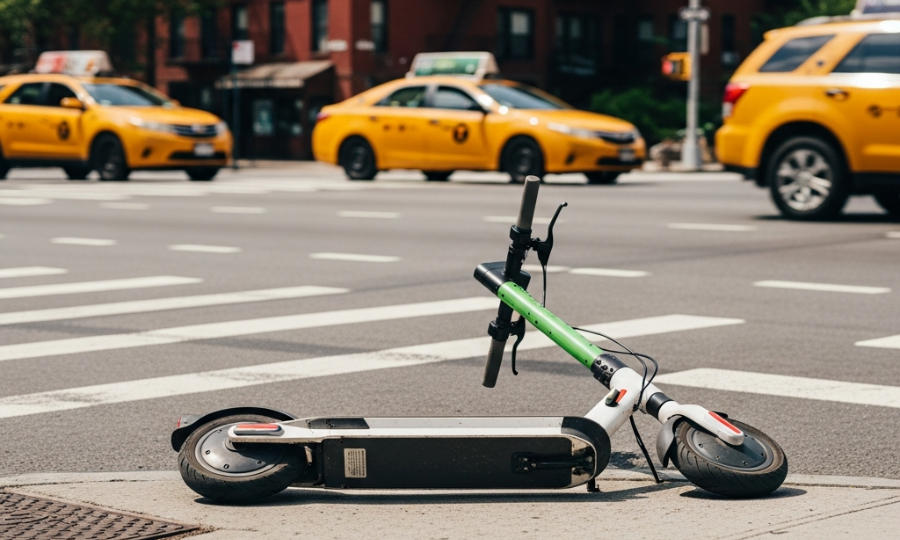
How to Improve Your Legal Claim After a Bronx E-Scooter Accident
Electric scooters have completely transformed how we navigate the streets of the Bronx. From quick trips to transit hubs in Co-Op City to daily commutes along the Grand Concourse, these micromobility devices offer a flexible way to travel. However, the rapid rise of shared e-scooters has also led to a significant increase in local traffic accidents. Public records indicate a substantial number of injuries and fatalities in crashes involving an e-bike or e-scooter across New York City. If you find yourself injured in one of these collisions, the choices you make in the immediate aftermath can heavily impact your physical recovery and your financial future.
Key Takeaways
- Public collision records document a significant number of injuries in crashes involving e-bikes or e-scooters across New York City.
- Seeking immediate medical care is critical to prevent insurance adjusters from claiming your injuries were not caused by the accident.
- New York’s pure comparative negligence rule means any percentage of fault assigned to you will directly reduce your final compensation.
- Preserving physical evidence, including the damaged e-scooter and your riding gear, is vital for proving the severity of the impact.
Navigating the legal landscape after a crash is rarely straightforward. Insurance rules, city regulations, and corporate rental policies create a complex web of liability. This step-by-step guide walks you through the essential actions you must take to protect your health and build a strong foundation for your legal claim. By taking systematic, deliberate steps, you can secure the evidence needed to hold negligent parties accountable and maximize your recovery. Working with a dedicated Bronx personal injury lawyer ensures that your rights are aggressively defended throughout this challenging process.
Prerequisites for Your Claim
- A smartphone with a working camera to document the accident scene.
- A safe place to store physical evidence, including torn clothing, damaged gear, and your helmet.
- The rental app records or ride history if you were operating a shared e-scooter.
- A secure folder to organize all medical records, police paperwork, and insurance communications.
Step 1: Move to Safety and Call 911 Immediately
Your immediate priority after any collision is to get out of the direct flow of traffic. Bronx corridors like White Plains Road or East Tremont Avenue are notoriously busy, making secondary collisions a major threat. Once you reach a safe spot on the sidewalk, dial 911 to request emergency medical personnel and police officers to the scene. Never let a driver convince you to handle the matter privately without involving the authorities.
When the NYPD officers arrive, they will document the incident and draft an official police accident report. Under New York State law, drivers must report any motor vehicle accident that results in physical injury or more than $1,000 in property damage. This official report serves as a foundational piece of evidence for your personal injury claim. Ensure you answer the responding officer’s questions clearly, but avoid speculating about who caused the crash or apologizing for the event.
Watch out: Insurance adjusters frequently look for any early statements to shift blame onto the victim. Even a polite “I’m sorry” at the scene can be twisted into an admission of fault. State only the objective facts of what happened to the responding officers.
Step 2: Seek Immediate Medical Attention
You must undergo a professional medical evaluation immediately after the accident, even if you believe your injuries are minor. Adrenaline can easily mask the pain of severe injuries, such as internal bleeding, concussions, or soft-tissue damage. Visiting an emergency room or an urgent care clinic in the Bronx establishes a direct, official link between the collision and your physical injuries.
Delaying medical care creates a dangerous gap in your treatment history. Insurance companies routinely use these gaps to argue that your injuries were not caused by the accident, or that they are not as severe as you claim. Request copies of all diagnostic tests, discharge instructions, and treatment plans during your visit. Keep detailed records of every doctor you see and every prescription filled.
Pro tip: Follow your doctor’s treatment plan exactly as prescribed. Missing follow-up appointments or failing to complete physical therapy can severely damage your credibility and weaken your legal claim.
Step 3: Document the Scene and Gather Evidence
Physical evidence at an accident scene disappears within minutes. If you are physically able, use your phone to take comprehensive photos and videos of the entire area. Capture close-up images of your injuries, the damage to the e-scooter, and any damage to the involved motor vehicle. Photograph the surrounding road conditions, including skid marks, potholes, or obscured traffic signs.
Additionally, take wide-angle photos that show the overall layout of the intersection or street. If you were riding a shared e-scooter from Bird, Lime, or Veo, take photos of the scooter’s QR code and any visible serial numbers. This documentation helps identify the exact device in case a mechanical defect, such as a brake failure, caused the crash.
Pro tip: Take photos of the traffic signals and street signs from the exact angle you were traveling. This visual evidence can prove invaluable if there is a dispute over who had the right of way.
Step 4: Collect Witness and Driver Information
You need to collect contact and insurance details from everyone involved in the collision. Request the driver’s full name, phone number, driver’s license number, and insurance policy details. If the driver does not own the vehicle, make sure to get the contact details of the registered owner as well.
Look around for any bystanders, pedestrians, or other riders who witnessed the collision. Ask for their names and phone numbers, as their unbiased accounts can strongly support your version of events. If any local business owners or homeowners have security cameras pointed at the street, ask them to preserve the footage from the time of the crash. Your accident attorney in the Bronx can formally subpoena this video evidence later.
Watch out: Do not engage in arguments with the driver or discuss details of the accident. Simply request their documents, provide your information, and wait for the police to arrive.
Step 5: Preserve the E-Scooter and Your Riding Gear
If you own the e-scooter involved in the crash, do not repair or discard it. The damaged device itself is crucial physical evidence that can reveal the force of the impact and point to mechanical failures. Store the scooter in a secure, dry location exactly as it was after the collision.
Similarly, preserve all the clothing, shoes, and safety gear you wore during the crash. Do not wash your clothes or throw away a cracked helmet. These items provide tangible, visual proof of the violence of the crash and the specific areas of impact. If you rented a shared scooter, take screenshots of your ride receipt and the path recorded in the rental app.
Pro tip: Keep a daily journal starting the day of the accident. Write down your physical pain levels, your emotional state, and the specific ways the injuries limit your daily life to document your non-economic damages.
Step 6: Avoid Speaking with Insurance Adjusters
Shortly after the accident, representatives from the driver’s insurance company or the rental scooter’s insurance provider will likely contact you. They may seem friendly and empathetic, but their primary goal is to minimize the financial payout of your claim. They will often ask you to provide a recorded statement or sign early settlement offers.
You may not be legally required to give a recorded statement to the other party’s insurance company. These adjusters are highly trained to ask leading questions designed to get you to admit partial fault. Under New York’s pure comparative negligence rule, any percentage of fault assigned to you will directly reduce your final compensation. Politely decline to discuss the details of the crash and refer them to your legal representative.
Watch out: Never sign any release forms or accept an early settlement offer without consulting a lawyer. These initial offers are almost always lowball figures that will not cover your long-term medical needs and lost wages.
Step 7: Hire an Experienced Bronx Personal Injury Lawyer
E-scooter accidents involve unique legal hurdles that do not apply to typical car crashes. For instance, NYC DOT specifically required participating companies in the NYC e-scooter pilot to provide customer agreements with no binding arbitration or class action waiver provisions. Navigating these corporate defenses and dealing with aggressive insurance companies requires skilled legal advocacy.
An experienced Bronx personal injury lawyer will handle all communications with the insurance companies, conduct a thorough investigation, and gather the necessary evidence to build a powerful case. Your attorney will calculate the true value of your claim, including future medical expenses, lost earning capacity, and pain and suffering. This professional representation ensures you can focus entirely on your physical recovery while your legal rights are protected.
Pro tip: Most personal injury law firms operate on a contingency fee basis. This means you pay absolutely nothing upfront, and your lawyer only gets paid if they successfully secure a settlement or verdict for you.
Next Steps for Your Recovery
Building a successful personal injury claim requires patience, diligence, and immediate action. Start by obtaining a copy of your NYPD accident report, which is typically available online and at local precincts within 30 days, though processing may take 14-60 days. Continue attending all scheduled medical appointments and documenting your physical recovery. If you need an experienced Bronx accident lawyer, our firm is ready to fight for you and secure the maximum compensation you deserve.
Sources
- NYC Department of Transportation, relevant safety trend reports
- New York State Senate, Vehicle and Traffic Law Article 34-D
This article was drafted with AI assistance. Please verify all claims and information for accuracy. The content is for informational purposes only and does not constitute professional advice.
Free Consultation
We want to hear about your case! Fill in the form to speak to a Bronx personal injury attorney now!
Follow us for legal tips and case results:
