
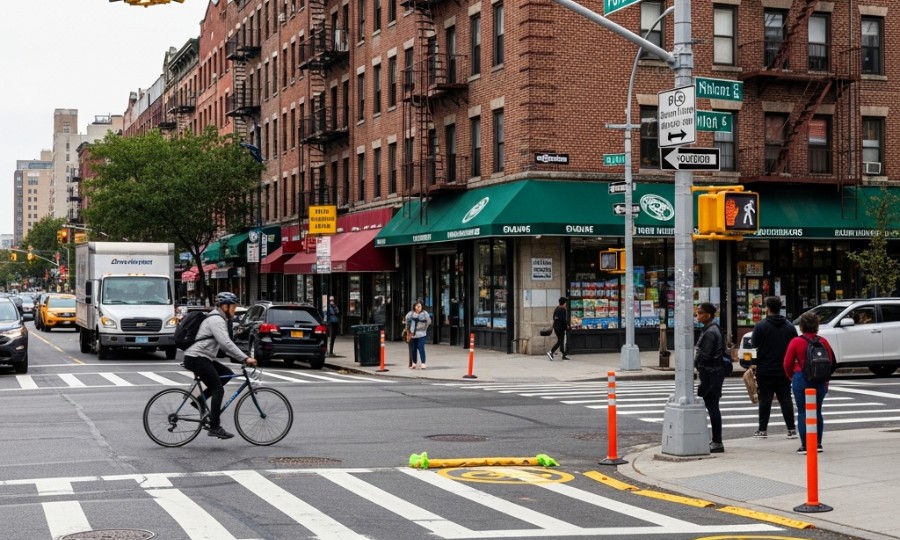
Navigating the vibrant, bustling streets of the Bronx can be an exhilarating experience, but for pedestrians and cyclists, it often comes with a heightened sense of vigilance. We’re talking about more than just dodging a taxi or a hurried delivery truck; we’re discussing a persistent reality where individuals on foot or bike face disproportionate risks. Have you ever felt that quick rush of anxiety crossing a busy Bronx intersection, wondering if that turning vehicle actually saw you? You’re not alone, and frankly, it’s a valid concern given the statistics.
The Bronx, with its dense population, major thoroughfares like Grand Concourse and Fordham Road, and a mix of commercial and residential zones, presents unique challenges for vulnerable road users. Data from the NYC Department of Transportation (DOT) consistently highlights specific areas as high-collision corridors, often where pedestrian and cyclist traffic intersects with significant vehicle volume. These aren’t just abstract numbers; they represent real people, real families, and real impacts on our community. It’s a complex problem, but thankfully, there are evolving protections and initiatives aimed at making our streets safer.
The Bronx’s Unique Challenges for Pedestrians and Cyclists
Let’s get specific. Intersections throughout the Bronx, particularly those connecting major arteries, are notorious for accidents involving pedestrians and cyclists. Think about the bustling intersections along Grand Concourse, Webster Avenue, or even the approaches to bridges and major highways. These areas often feature multiple lanes of traffic, complex turning movements, and less-than-ideal sightlines. Large vehicles, including trucks and buses, are also a common sight, and their sheer size can drastically reduce visibility for drivers trying to spot someone on a bike or walking.
Here’s the thing: while drivers bear a significant responsibility, the infrastructure itself can unintentionally contribute to these dangers. Historical road designs often prioritized vehicle flow over pedestrian safety, creating wide crossings and blind spots. Compounding this, factors like illegal parking (which we all see far too often, don’t we?) can obscure views even further, turning a routine walk or ride into a high-stakes gamble. It’s not just about individual behavior; it’s about the environment we’re all trying to navigate. This is where innovative solutions like ‘daylighting’ come into play, fundamentally changing how we approach intersection safety.
Understanding “Daylighting”: A Bright Solution for Safer Streets
So, what exactly is ‘daylighting,’ and why is it such a game-changer for Bronx streets? Simply put, daylighting involves removing parking spaces immediately adjacent to crosswalks and intersections. Usually, this means clearing about 20 feet (or roughly one car length) from the crosswalk. The idea is brilliant in its simplicity: by clearing those parked cars, you dramatically improve visibility for everyone involved.
Think about it: when you’re driving up to an intersection, those parked cars near the corner often block your view of pedestrians or cyclists who are about to enter the crosswalk. Similarly, for someone on foot or a bike, those cars can hide an approaching vehicle until it’s almost too late. Daylighting eliminates this visual obstruction, allowing drivers to see people earlier and giving pedestrians and cyclists a clearer view of oncoming traffic. It really does make a huge difference, trust me. This initiative is a core component of New York City’s Vision Zero strategy, which aims to eliminate traffic fatalities and serious injuries. You might wonder if it actually works, and the data from NYC DOT projects where daylighting has been implemented shows a clear reduction in collisions, particularly those involving vulnerable road users. It’s a practical, proven step towards safer urban environments.
Beyond Daylighting: Broader Protection Efforts in the Bronx
While daylighting is a powerful tool, it’s just one piece of a much larger puzzle. The Bronx has seen, and desperately needs more, a range of other protective measures. We’re talking about the expansion of protected bike lanes, which create a physical barrier between cyclists and vehicle traffic, making cycling feel much safer for everyone, from daily commuters to weekend riders. Speed cameras, strategically placed in high-risk zones, also play a critical role in deterring dangerous driving behaviors. We’ve all seen how quickly traffic can accelerate on certain Bronx avenues, and these cameras are essential for enforcement.
Also, the NYC DOT frequently undertakes street redesign projects aimed at calming traffic, shortening pedestrian crossing distances, and installing enhanced signage and signals. Community advocacy groups in the Bronx have been instrumental in pushing for these changes, highlighting local hotspots and demanding action. Their tireless efforts really underscore the idea that safety is a shared responsibility. But is it enough, or do we need to do more? The ongoing commitment from city agencies, coupled with sustained community engagement, is truly vital for continuing this positive trend.
Navigating the Bronx Safely: Tips for Pedestrians and Cyclists
Even with improved infrastructure, personal vigilance remains paramount. We know it can feel overwhelming trying to stay safe in such a dynamic environment, but adopting a few key habits can significantly reduce your risk.
- For Pedestrians: Always use marked crosswalks. Make eye contact with drivers before stepping into the street, even if you have the right-of-way (it’s called defensive walking!). Avoid distractions like cell phones – your full attention is your best defense. And remember, bright clothing, especially at dawn, dusk, or night, makes you much more visible.
- For Cyclists: Wear a helmet, always. Use front and rear lights, even during the day, to increase your visibility. Follow all traffic laws, including obeying stop signs and traffic lights, just like a car would. Ride predictably and signal your turns clearly. Staying aware of your surroundings and anticipating potential hazards is key.
These aren’t just suggestions; they’re essential practices for navigating the Bronx’s challenging urban landscape. Your safety is, ultimately, in your hands, even as we work to improve the environment around you.
When Accidents Happen: Understanding Your Rights and Resources
It’s a situation no one ever wants to be in, but knowing your options can bring some peace of mind. What should you do if the worst happens, and you’re involved in an accident as a pedestrian or cyclist in the Bronx? First and foremost, seek medical attention immediately, even if your injuries seem minor. Your health is the priority.
Beyond that, it’s crucial to document everything you can. If possible, take photos of the scene, your injuries, and any vehicle involved. Get contact information from witnesses. File a police report, as this creates an official record of the incident. In New York, pedestrians and cyclists injured in a collision with a motor vehicle are generally covered by the vehicle’s no-fault insurance, regardless of who was at fault. This coverage can help pay for medical expenses and lost wages. However, navigating the complexities of insurance claims and potential personal injury lawsuits can be daunting. Consulting with a legal professional who specializes in pedestrian and cycling accidents can be incredibly beneficial, ensuring your rights are protected and you receive the compensation you deserve to aid in your recovery. It’s not about blame; it’s about justice and making sure you can heal.
Ultimately, making Bronx streets safer for everyone requires a multi-faceted approach: smart infrastructure design, diligent enforcement, and informed, vigilant road users. By understanding the risks and embracing the protections available, we can collectively work towards a safer, more pedestrian and cyclist-friendly Bronx. Stay safe out there!
Free Consultation
We want to hear about your case! Fill in the form to speak to a Bronx personal injury attorney now!
Follow us for legal tips and case results:
